
A Budget-Smart Strategy
The complete kitchen of your dreams often carries a price tag that makes you hesitate. But what if you could approach it strategically over time?
At EK Kitchens + Design, we often work with homeowners in West Denver and Grand County who want to spread their investment out. Phasing a remodel offers a practical path forward when budget constraints meet big aspirations.
However, success requires careful planning. With over 20 years of experience in construction and design, we have learned that while you can phase the build, you cannot phase the plan.
Here is our guide to breaking down a remodel without breaking the design.
When a Phased Kitchen Remodel Makes Sense for Your Budget
Phasing works best when your current kitchen functions adequately but needs updating. If your plumbing is leaking or your layout makes cooking a nightmare, partial solutions will only disappoint you.
Phasing is also an excellent strategy for our clients with vacation homes in Winter Park or Grand Lake. You might choose to do heavy construction during the off-seasons and finish surfaces later in the year.
The Golden Rule: You must have a comprehensive plan before you start. Without a full design roadmap, phased work creates a disjointed result. Each phase must advance the overall vision rather than just applying random improvements. Our 6-step Design Process helps clients move through the design and planning process so that you have a plan, a scope of work, and materials selections. Then, we can review phasing your project.
Phased Kitchen Remodel Step One: Foundation and Infrastructure
Smart phasing addresses infrastructure first. This might feel counterintuitive. Why spend money on electrical panels and plumbing you cannot see?
Because infrastructure work often requires opening walls. You want to do the messy demolition before you install beautiful new finishes.
Typical Phase One Priorities:
- Electrical Upgrades: Many older homes in Lakewood or Golden need new panels to support modern appliances.
- Plumbing Updates: Ensuring reliability and code compliance.
- Structural Changes: If you plan to remove a wall to open up a view of the foothills, do it now.
Budget Expectation: $8,000 to $35,000 depending on the age of your home and scope of work and the final plan.
Phase Two: Cabinets and Layout
Once the walls are closed and the systems are sound, focus on cabinetry. Cabinets define your kitchen’s functionality and represent a substantial portion of the budget.
Completing this phase establishes the framework for everything else.
The “Temporary Countertop” Strategy This is a trade secret for phased remodeling. If the budget is tight, install your permanent high-quality cabinets now but use inexpensive laminate or even plywood as a temporary countertop.
Better cabinets with temporary counters create more long-term value than mediocre cabinets with expensive stone. You can live with a laminate counter for a year. You are stuck with cheap cabinets for decades.
Budget Expectation: Could be $15,000 to $50,000 for quality cabinet installation, depending on the plan, the materials selected, and the scope of work.
Phase Three: Surfaces and Appliances
With good cabinets in place, you can move on to the “wow” factor. This phase includes installing quality countertops, backsplashes, and potentially new flooring.
Appliances: If your old appliances still work, keep them! Standard sizes mean you can easily slide in that professional-grade range or smart refrigerator in a later phase. If you are getting a specialty appliance (think built in coffee maker, steam oven, or warming drawer), make sure they are included in the cabinet plan.
Flooring Timing: This is tricky. Installing flooring after cabinets saves money on materials. However, it creates challenges if you ever change the layout again. We can help you determine the best sequencing for your specific home.
Budget Expectation: $12,000 to $80,000 depending on materials.
Phase Four: Finishing Touches
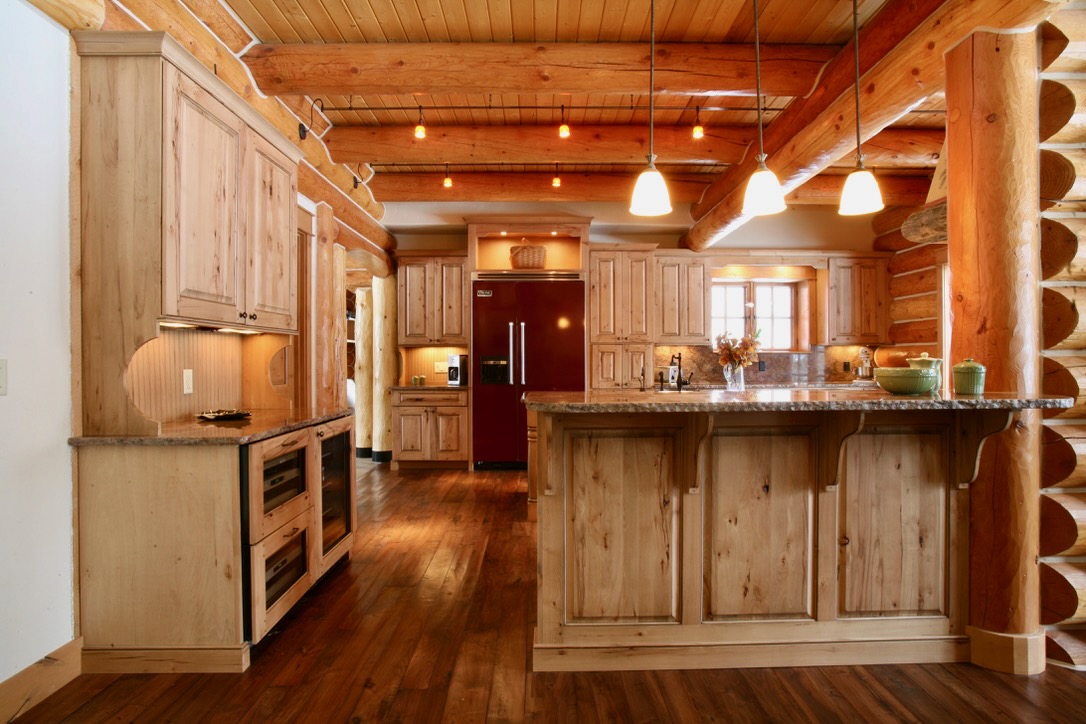
This is the fun part. Lighting upgrades, fresh paint, new hardware, and decorative elements polish the space.
These items cost relatively little compared to earlier phases but significantly impact the finished look. This phase offers the most flexibility. You can easily upgrade a light fixture or swap cabinet pulls on a free weekend.
Budget Expectation: $3,000 to $10,000.
Critical Mistakes to Avoid in Your Phased Kitchen Remodel
While we love flexibility, some elements resist phasing. Trying to split these up usually leads to regret.
- Tile Work: Try to buy all your tile at once. Matching “dye lots” (color batches) months later is nearly impossible. Even identical products can look slightly different if manufactured at different times.
- Custom Millwork: Stain matching is an art, not a science. A cabinet added three years later will likely age differently than the originals.
- Painting: It is usually cheaper to paint the whole room or home at once than to pay for multiple setup and cleanup charges.
Making Phasing Work for You
Success requires upfront planning.
- Develop the Master Plan: Let us create the full design first. Our 6-Step Design Process helps you walk through the planning process with clarity and confidence. We document all material selections and dimensions so you have a roadmap.
- Set Realistic Timelines: Living with a “work in progress” tests patience. We find that a timeline of 6 to 12 months between major phases works best. It allows your bank account to recover and gives you a break from the dust.
Phased remodeling offers a practical path when your budget and your vision do not immediately align. Whether you are in Littleton, Evergreen, or Fraser, we can help you sequence your project smartly.
Thinking about a phased remodel? Contact EK Kitchens + Design today. Let’s build a roadmap that gets you to your dream kitchen at your own pace.


Recent Comments